
Blog
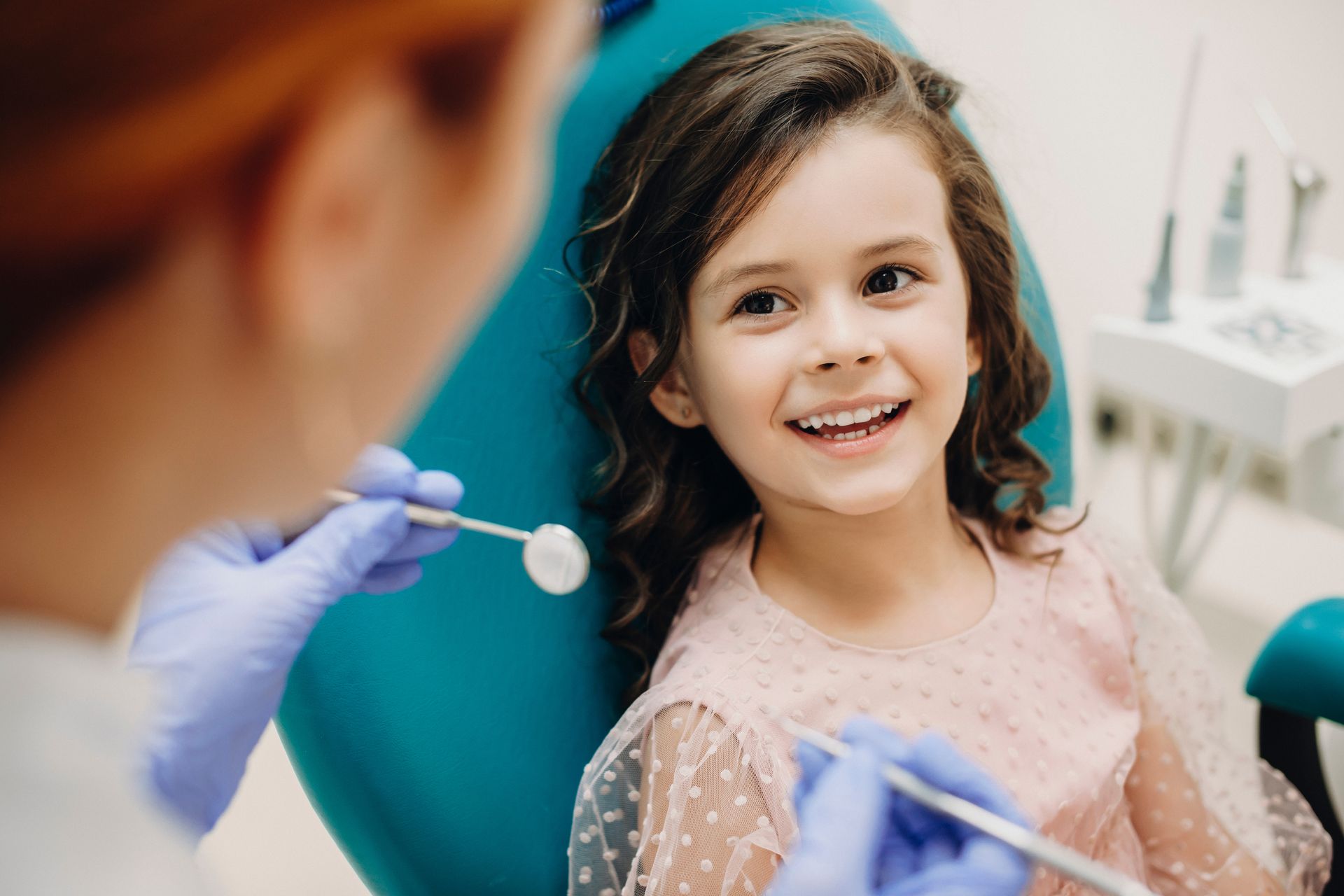
Many Reno, NV, parents wonder when their child should first see an orthodontist, and the answer may surprise them. This guide explains what the experts recommend, what warning signs to watch for, and what families can expect when they book that first kids orthodontist visit. The Age-7 Rule Every Reno Parent Should Know The American Association of Orthodontists (AAO) recommends that every child have a first orthodontic evaluation no later than age seven. By that age, most children have a mix of baby teeth and emerging permanent teeth, which gives a kids orthodontist a clear look at how the jaw and bite are developing. Finding issues at this stage may allow a provider to address them while the bones are still growing, which can mean simpler, less involved care down the road. This does not mean your seven-year-old will leave the office in braces. For many children, the first visit simply confirms that everything is on track, and no treatment is needed yet. The provider will then monitor your child periodically as the remaining adult teeth come in. If your child is already past seven and has not had an evaluation, that is not cause for alarm. Scheduling a kids orthodontist visit now is still a positive step. What Warning Signs Should Reno Parents Watch For? Certain signs may mean your child would benefit from an evaluation even before their seventh birthday. Parents in Reno, NV, can keep an eye on the following: Crowded or overlapping teeth as permanent teeth come in. Upper teeth that bite inside the lower teeth, known as a crossbite. Lower jaw that sits ahead of the upper jaw, known as an underbite. Front teeth that do not touch when the back teeth are closed, known as an open bite. Thumb sucking or pacifier use that continues past age five. Chronic mouth breathing or frequent snoring. Baby teeth lost much earlier or much later than expected. Any of these patterns is worth bringing up with your dental provider. None of them automatically means braces, but each one may be easier to address while your child is still growing. A kids orthodontist can evaluate these concerns and recommend the most appropriate next steps. It is worth noting that Reno's dry, high-desert climate can contribute to chronic congestion in children, which sometimes leads to habitual mouth breathing. If your child regularly breathes through the mouth rather than the nose, that is a detail worth mentioning at their evaluation, as it can affect jaw and palate development over time. Phase 1 vs. Phase 2 Treatment: What Is the Difference? Two-phase orthodontic treatment is a specialized process that addresses different stages of a child's development. Phase 1, also called interceptive orthodontics, typically begins between ages six and ten while a child still has a mix of baby and permanent teeth. The goal is to guide jaw growth, correct significant bite problems, and create room for incoming adult teeth. Common tools used during this phase may include palatal expanders, space maintainers, and partial braces. Phase 2 is what most people picture when they think of braces. It usually begins between ages eleven and fourteen, once most or all of the permanent teeth have come in, and focuses on aligning all the teeth and perfecting the bite. Full braces or clear aligners are the most common tools at this stage. Not every child needs both phases. Many children do just fine with a single comprehensive phase of treatment during adolescence. The first kids orthodontist evaluation helps determine which path makes the most sense for your child specifically. What Happens at a First Orthodontic Visit? A first orthodontic visit is typically low-key and informational. The provider will review your child's dental and medical history, take a look at how the teeth are coming in, and may take X-rays to see what is happening below the gum line. You will then receive feedback on whether treatment may be needed soon, later, or not at all. Most children who come in for this type of visit do not start treatment right away. They enter a monitoring schedule so any developing concerns can be caught at the right moment. Can Myofunctional Therapy Support Orthodontic Health? Yes, in some cases, myofunctional therapy may complement an orthodontic plan. This therapy focuses on retraining the tongue, lips, and facial muscles to support healthy breathing, swallowing, and tongue posture. For children with habits like thumb sucking or chronic mouth breathing, addressing the muscle patterns behind those habits may support better outcomes whether or not orthodontic treatment is also involved. Take the First Step for Your Child's Smile Early orthodontic awareness can make a meaningful difference for growing children in Reno, NV. Whether your child is approaching age seven or you have already noticed some of the warning signs mentioned above, the right time to connect with a kids orthodontist is now. A Dentistry serves families throughout the Reno area and offers dental procedures and supportive therapies designed to keep children's oral health on the right track. Call 775-825-9353 or schedule an appointment to take the next step toward your child's healthiest smile.
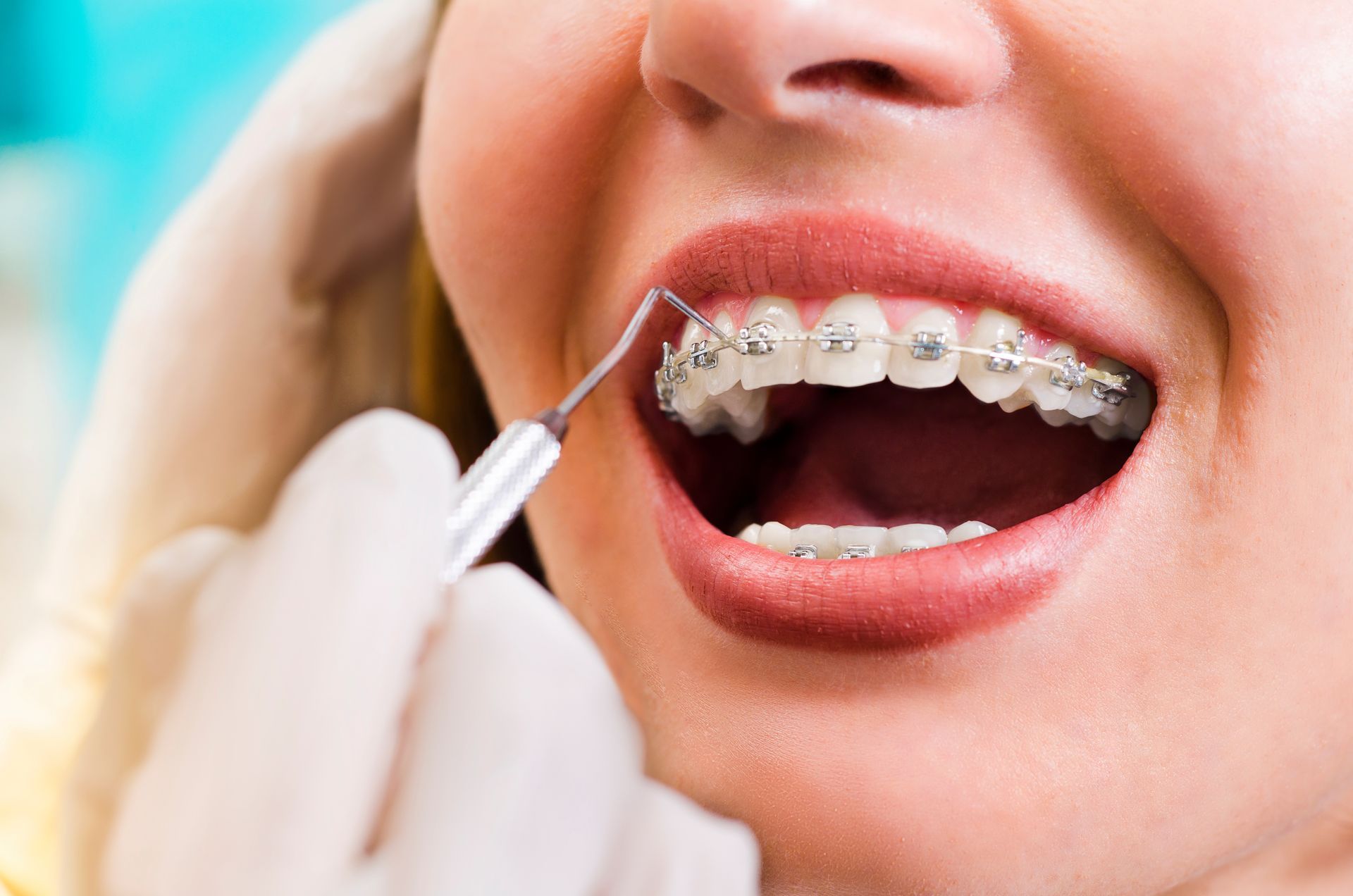
Choosing the right orthodontic treatment is a significant decision, and this guide breaks down the key differences between braces and Invisalign so Reno residents can make a confident, informed choice. Orthodontic treatment in Reno, NV, is more accessible than ever, with both traditional braces and clear aligner systems now widely available. Understanding how these two options compare on candidacy, lifestyle, duration, and value can help you have a much more productive conversation with your dentist or orthodontist. How Do Braces and Invisalign Actually Work? Both treatment types move teeth into better alignment over time. Traditional braces use metal brackets bonded to the teeth, connected by wires that your provider tightens at regular intervals. Invisalign uses a series of custom-molded clear plastic trays that you swap out roughly every one to two weeks as your teeth gradually shift. The core difference comes down to how each system applies pressure. Braces work continuously because they are fixed to your teeth. Invisalign trays work only when worn, which means your commitment to wearing them at least 20 to 22 hours per day directly affects your results. Which Orthodontic Treatment Is Right for Your Situation? The answer depends on several personal factors, including the complexity of your case, your daily lifestyle, and your long-term goals. Neither option is universally better. Candidacy and Case Complexity Braces can often handle a broader range of alignment issues. They may be recommended for more complex cases, such as significant crowding, severe bite problems, or rotations that require precise control. Invisalign has advanced considerably and can address many mild to moderate alignment concerns effectively. However, very complex bite corrections may still be better suited to traditional braces. A clinical evaluation is the only reliable way to know which orthodontic treatment path is appropriate for your specific teeth. Lifestyle and Daily Comfort Invisalign trays are removable, which many patients find convenient for eating, brushing, and flossing. You can take them out for meals, so there are no food restrictions. Braces require more careful cleaning around brackets and wires, and certain foods are off-limits to avoid damaging the hardware. For Reno residents who are active, enjoy outdoor activities at places like Rancho San Rafael Park or Idlewild Park, or participate in contact sports, Invisalign may offer a more comfortable fit with an athletic mouthguard. Braces, on the other hand, require a specially fitted guard designed to protect both your mouth and the brackets. Visibility and Aesthetics Clear aligners are nearly invisible, which is a priority for many adults and working professionals. This factor is one of the most common reasons patients explore Invisalign. Braces are visible, though ceramic options with tooth-colored brackets are available and less noticeable than traditional metal. If discretion is important to you, Invisalign typically has the aesthetic advantage. Treatment Duration Treatment timelines vary considerably based on the complexity of each case and how consistently the patient follows the plan. Braces typically remain in place for one to three years. Invisalign treatment often takes a similar timeframe for moderate cases, though some straightforward cases may wrap up more quickly. Wearing your aligners as instructed is the single biggest factor in keeping your Invisalign timeline on track. Cost Considerations Both braces and Invisalign represent a meaningful investment, and costs vary based on the provider, the length of treatment, and the complexity of your case. It is worth asking about financing options and whether your dental insurance plan covers any portion of orthodontic treatment. Many Reno dental offices offer payment plans to help spread the cost over the course of treatment. Contact the office directly for a quote tailored to your needs. Reno-Specific Factors Worth Knowing Reno's dry, high-desert climate can affect oral health in ways that matter during orthodontic treatment. Low humidity often leads to dry mouth, which can increase the risk of plaque buildup around braces or under aligner edges. Staying well-hydrated and maintaining a consistent oral hygiene routine is especially important here. Reno also sits at an elevation of roughly 4,500 feet. While this does not directly change how orthodontic treatment works, it is a reminder to keep aligners in a case and out of direct sun if you are spending time outdoors, since heat can warp plastic trays over time. Reno's growing population and active lifestyle culture mean more Reno adults are seeking discreet treatment options today than in past years. If you have been putting off orthodontic care, now is a practical time to explore what is available. You can learn more about Invisalign specifically by visiting the Invisalign dentist page on the practice website. What Happens After Orthodontic Treatment? Both braces and Invisalign typically require retainers after treatment to hold your teeth in their new positions. Retainers may be removable or fixed behind the teeth depending on your provider's recommendation. Skipping retainer wear is one of the most common reasons teeth shift back after treatment, so this ongoing step matters. Ready to Explore Your Options in Reno? A Dentistry serves patients looking for a friendly, low-pressure environment to discuss orthodontic options in Reno, NV. The team offers Invisalign and can help you understand which path may suit your smile goals and lifestyle. Call (775) 825-9353 or schedule an appointment online to request your consultation today.






