When Should My Child First See a Kids Orthodontist? A Reno Parent's Guide
Many Reno, NV, parents wonder when their child should first see an orthodontist, and the answer may surprise them. This guide explains what the experts recommend, what warning signs to watch for, and what families can expect when they book that first kids orthodontist visit.
The Age-7 Rule Every Reno Parent Should Know
The American Association of Orthodontists (AAO) recommends that every child have a first orthodontic evaluation no later than age seven. By that age, most children have a mix of baby teeth and emerging permanent teeth, which gives a kids orthodontist a clear look at how the jaw and bite are developing. Finding issues at this stage may allow a provider to address them while the bones are still growing, which can mean simpler, less involved care down the road.
This does not mean your seven-year-old will leave the office in braces. For many children, the first visit simply confirms that everything is on track, and no treatment is needed yet. The provider will then monitor your child periodically as the remaining adult teeth come in.
If your child is already past seven and has not had an evaluation, that is not cause for alarm. Scheduling a kids orthodontist visit now is still a positive step.
What Warning Signs Should Reno Parents Watch For?
Certain signs may mean your child would benefit from an evaluation even before their seventh birthday. Parents in Reno, NV, can keep an eye on the following:
- Crowded or overlapping teeth as permanent teeth come in.
- Upper teeth that bite inside the lower teeth, known as a crossbite.
- Lower jaw that sits ahead of the upper jaw, known as an underbite.
- Front teeth that do not touch when the back teeth are closed, known as an open bite.
- Thumb sucking or pacifier use that continues past age five.
- Chronic mouth breathing or frequent snoring.
- Baby teeth lost much earlier or much later than expected.
Any of these patterns is worth bringing up with your dental provider. None of them automatically means braces, but each one may be easier to address while your child is still growing. A kids orthodontist can evaluate these concerns and recommend the most appropriate next steps.
It is worth noting that Reno's dry, high-desert climate can contribute to chronic congestion in children, which sometimes leads to habitual mouth breathing. If your child regularly breathes through the mouth rather than the nose, that is a detail worth mentioning at their evaluation, as it can affect jaw and palate development over time.
Phase 1 vs. Phase 2 Treatment: What Is the Difference?
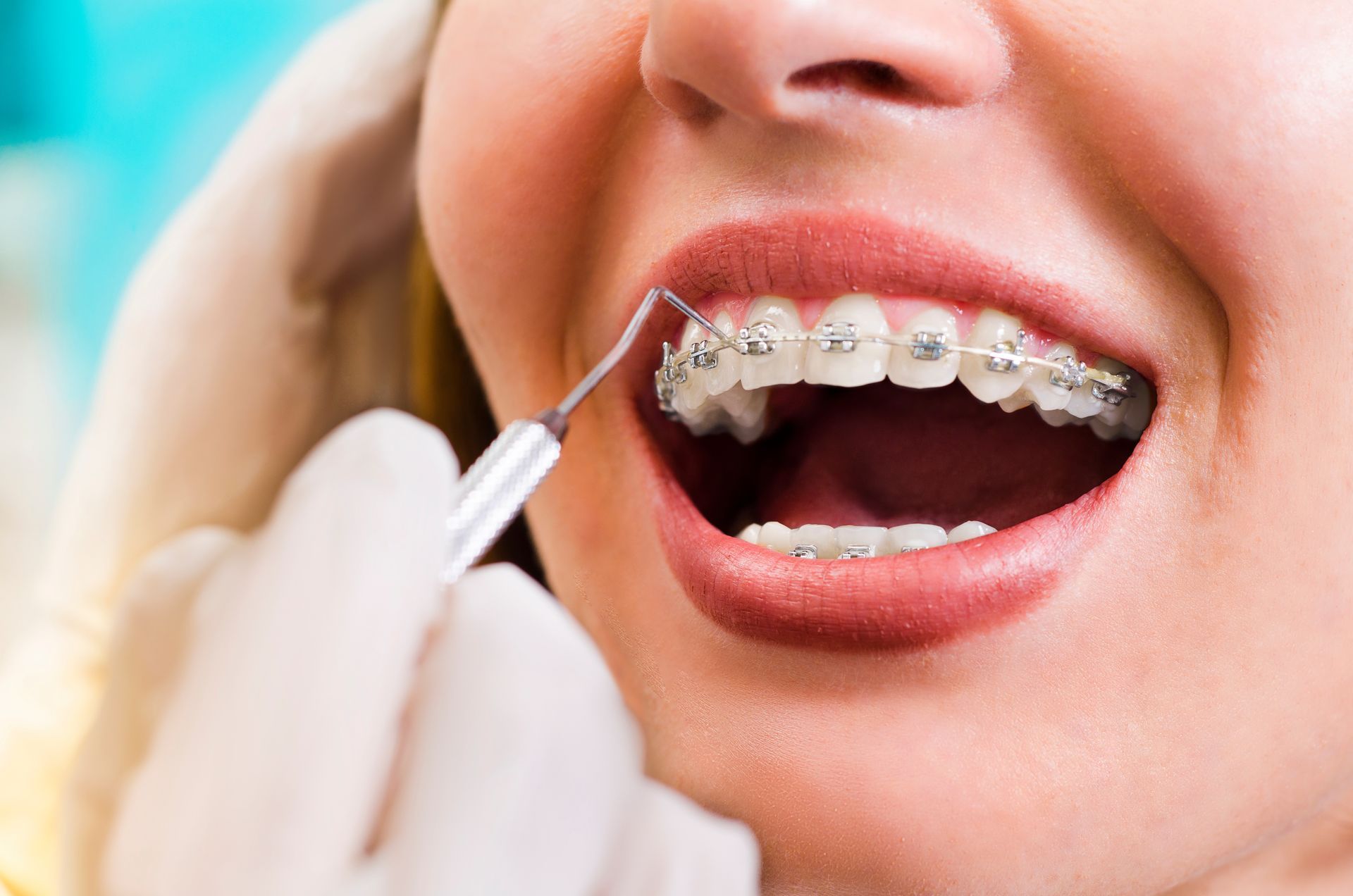
Two-phase orthodontic treatment is a specialized process that addresses different stages of a child's development. Phase 1, also called interceptive orthodontics, typically begins between ages six and ten while a child still has a mix of baby and permanent teeth. The goal is to guide jaw growth, correct significant bite problems, and create room for incoming adult teeth. Common tools used during this phase may include palatal expanders, space maintainers, and partial braces.
Phase 2 is what most people picture when they think of braces. It usually begins between ages eleven and fourteen, once most or all of the permanent teeth have come in, and focuses on aligning all the teeth and perfecting the bite. Full braces or clear aligners are the most common tools at this stage.
Not every child needs both phases. Many children do just fine with a single comprehensive phase of treatment during adolescence. The first kids orthodontist evaluation helps determine which path makes the most sense for your child specifically.
What Happens at a First Orthodontic Visit?
A first orthodontic visit is typically low-key and informational. The provider will review your child's dental and medical history, take a look at how the teeth are coming in, and may take X-rays to see what is happening below the gum line. You will then receive feedback on whether treatment may be needed soon, later, or not at all.
Most children who come in for this type of visit do not start treatment right away. They enter a monitoring schedule so any developing concerns can be caught at the right moment.
Can Myofunctional Therapy Support Orthodontic Health?
Yes, in some cases, myofunctional therapy may complement an orthodontic plan. This therapy focuses on retraining the tongue, lips, and facial muscles to support healthy breathing, swallowing, and tongue posture. For children with habits like thumb sucking or chronic mouth breathing, addressing the muscle patterns behind those habits may support better outcomes whether or not orthodontic treatment is also involved.
Take the First Step for Your Child's Smile
Early orthodontic awareness can make a meaningful difference for growing children in Reno, NV. Whether your child is approaching age seven or you have already noticed some of the warning signs mentioned above, the right time to connect with a kids orthodontist is now. A Dentistry serves families throughout the Reno area and offers dental procedures and supportive therapies designed to keep children's oral health on the right track. Call 775-825-9353 or schedule an appointment to take the next step toward your child's healthiest smile.